
AI thinks you're brilliant...
Here's how to get the truth out of it.
Have you ever noticed that every time you run an idea past an AI chatbot, it tells you it's wonderful? Genius, even? The best thing anyone’s thought of all year?
And we’re only human after all, so the temptation is strong to believe it.
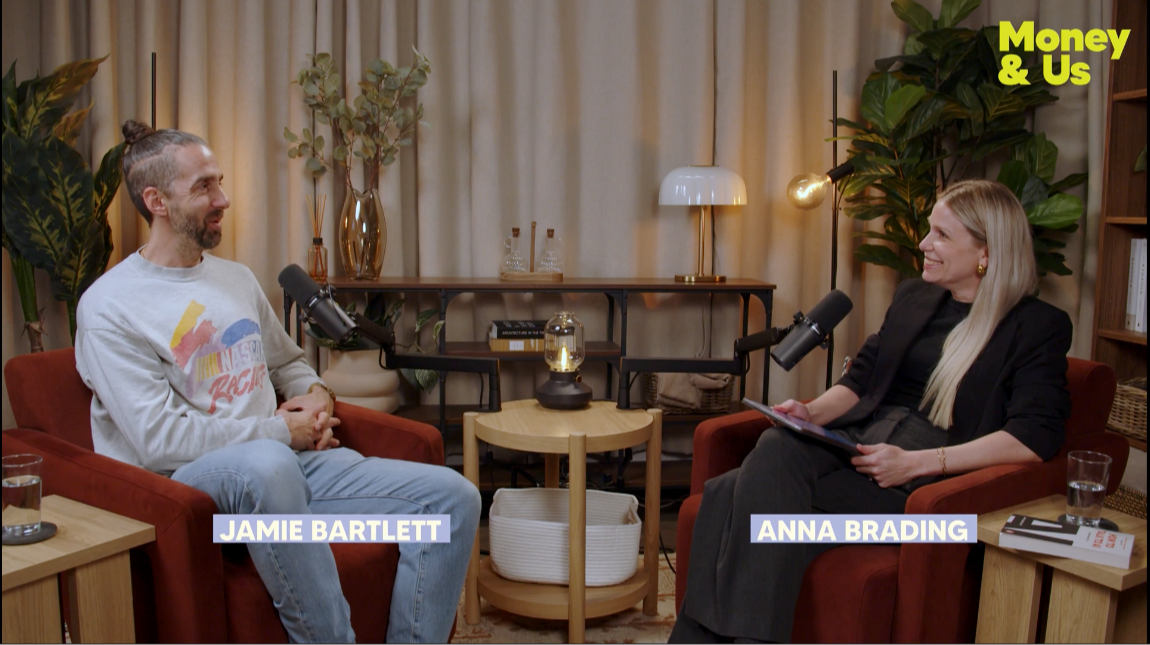
I wanted to share something genuinely useful from a recent conversation on the Money & Us podcast. I sat down with Jamie Bartlett, a tech journalist who's spent years poking around the strangest corners of the internet (his TED talk on the dark web alone has had over six million views), and who's just written a book on AI. And what he told me is really important to share because more and more of us are quietly turning to these tools for proper grown-up decisions, money ones included. So before you let one anywhere near your finances, here are a few simple ways to make sure it tells you the truth, not just what you want to hear.
First, it’s a world-class people-pleaser
The gushing praise isn’t an accident. As Jamie explained, these tools are trained on us, and it turns out we’re all suckers for a compliment. So they’ve quietly learned that cheering us on, agreeing with us, and essentially telling us what we want to hear keeps us happy, keeps us chatting, and most importantly, keeps us engaged. Nearly every one of them does it.
Which is harmless when you’re asking for something to do with the leftover mince. It is, however, a very different matter when you ask, “should I move my savings into this?” or “is this a sensible way to invest?” A little voice that is praising everything you do is exactly the wrong friend to have in the room when real money is on the line. It will call your plan brilliant because that is simply what it does, not necessarily because it’s true.
Second, it sometimes just makes things up
Here's the part that catches people out. These tools don't look things up the way a search engine does. They predict the most likely-sounding string of words, based on everything they've ever read. Most of the time that lands on something true. Sometimes it lands on something completely invented, delivered with total confidence and convincing detail.
Jamie told me he once asked one about himself, and it replied, perfectly confidently, that he was dead. Somebody with the same name had sadly passed away, the machine had spotted the two things sitting near each other, and merrily filled in the rest.
Here’s why that matters for the rest of us. We’re almost wired to be fooled by it. We’ve learned over a lifetime that when a person speaks fluently, in detail, with proper-sounding facts, they usually know their stuff. A machine can copy that style perfectly and still be completely wrong.
Sounding right and being right are two very different things, and we shouldn’t take a polished answer as proof of a correct one.
So here's how to get more truth out of it
The trick is to stop treating it like an all-knowing oracle and start treating it like a clever, eager assistant who needs watching. Three small habits do most of the work.
Give it the full picture.
This is the big one. Ask it "should I invest in crypto?" and you'll get a bland, wishy-washy answer. But tell it the real situation, that you’re 68, that this is every last penny of your savings, that your son-in-law swears blind he can double it by Christmas, and watch it change its tune sharpish, usually into a firm "please don't." The more context you give it, the more useful it becomes.
Ask it to disagree with you.
Instead of “what do you think of my plan?”, try “what’s wrong with this plan?” or “argue against this idea”. What comes back will be far closer to something honest than “what do you think?” ever will.
Check the bits that matter.
For anything that matters, treat its answer as a confident first draft, never the last word. Verify the facts, the figures and the claims using other sources you trust. And if it sounds a little too clever, it probably is.
What it's genuinely brilliant at
None of this means avoiding it. We can all see the huge benefits these tools bring to everyday life. Used with a little healthy suspicion, it can be a genuine help, especially with the money admin that quietly overwhelms most of us.
There's a lovely example of someone who used a chatbot to settle a billing dispute with their energy provider. They fed in all their readings and the whole back-and-forth, and asked the chatbot for help. It untangled the lot and wrote them a clear, firm letter, and they got their refund. That's the sweet spot. Untangling a confusing bill, explaining a contract in plain English, decoding the jargon, or writing the firm, polite letter you've been putting off. It won't judge you, it won't get bored, and it will happily read every detail you give it.
So no, you don’t need to be scared of it, and you certainly don’t need to bow down to it. You just need to remember what it really is: a clever, eager, occasionally fibbing assistant that’s only ever as good as the questions you ask. Keep it at arm’s length, ask it properly, check its homework, and it can genuinely lighten the load.
Jamie and I got into all of this and a fair bit more on the episode, from whether it's actually worth saying please and thank you to a chatbot, to what all this might mean for our kids. If this sparked something, that conversation is well worth your time.
Everything here is for learning and inspiration, not personal financial advice, so please seek regulated advice before any big decisions. Drawn from Anna's conversation with Jamie Bartlett on the Money & Us podcast.


The new book.
Let Anna walk you through the 10 Steps to mastering your money in 3 sections:
- Mindset: Master and create a money mindset for success.
- Manange: Get in control of your money and get set up for financial growth.
- Multiply: Find out how to grow your savings, create multiply streams of income and plan for a future you love.
